
Guttmacher Institute

Search

  • X
  • Facebook
  • Instagram
  • Youtube
  • LinkedIn
  • Contact

Highlights

  • Reproductive Health Impact Study
  • Adding It Up
  • Abortion Worldwide
  • Guttmacher-Lancet Commission
  • US policy resources
  • State policy resources
  • International Perspectives on Sexual and Reproductive Health (1975–2020)
  • Perspectives on Sexual and Reproductive Health (1969–2020)

Reports

  • Global
  • United States

Articles

  • Global research
  • US research
  • Policy analysis
  • Guttmacher Policy Review
  • Opinion

Fact Sheets

  • Global
  • United States
  • US State Laws and Policies

Tools

  • Interactive Map: US Abortion Policies and Access After Roe
  • Family Planning Investment Impact Calculator
  • Monthly Abortion Provision Study Dashboard
  • State legislation tracker
  • Public-use data sets

Global

  • Abortion
  • Contraception
  • Pregnancy
  • Teens

US

  • Abortion
  • Contraception
  • Pregnancy
  • Teens

Our Work by Geography

  • Global
  • Africa
  • Asia
  • Europe
  • Latin America & the Caribbean
  • Northern America
  • Oceania

Who We Are

  • About
  • Staff
  • Board
  • Job opportunities
  • Newsletter
  • History
  • Contact
  • Conflict of Interest Policy

Media

  • Media office
  • News releases

Support Our Work

  • Make a gift today
  • Monthly Giving Circle
  • Ways to Give
  • Guttmacher Guardians
  • Guttmacher Legacy Circle
  • Financials
  • Impact Report 2025

Awards & Scholarships

  • Darroch Award
  • Richards Scholarship
  • Bixby Fellowship
Donate
Guttmacher Institute
Donate

Highlights

  • Reproductive Health Impact Study
  • Adding It Up
  • Abortion Worldwide
  • Guttmacher-Lancet Commission
  • US policy resources
  • State policy resources
  • International Perspectives on Sexual and Reproductive Health (1975–2020)
  • Perspectives on Sexual and Reproductive Health (1969–2020)

Reports

  • Global
  • United States

Articles

  • Global research
  • US research
  • Policy analysis
  • Guttmacher Policy Review
  • Opinion

Fact Sheets

  • Global
  • United States
  • US State Laws and Policies

Tools

  • Interactive Map: US Abortion Policies and Access After Roe
  • Family Planning Investment Impact Calculator
  • Monthly Abortion Provision Study Dashboard
  • State legislation tracker
  • Public-use data sets

Global

  • Abortion
  • Contraception
  • Pregnancy
  • Teens

US

  • Abortion
  • Contraception
  • Pregnancy
  • Teens

Our Work by Geography

  • Global
  • Africa
  • Asia
  • Europe
  • Latin America & the Caribbean
  • Northern America
  • Oceania

Who We Are

  • About
  • Staff
  • Board
  • Job opportunities
  • Newsletter
  • History
  • Contact
  • Conflict of Interest Policy

Media

  • Media office
  • News releases

Support Our Work

  • Make a gift today
  • Monthly Giving Circle
  • Ways to Give
  • Guttmacher Guardians
  • Guttmacher Legacy Circle
  • Financials
  • Impact Report 2025

Awards & Scholarships

  • Darroch Award
  • Richards Scholarship
  • Bixby Fellowship
Donate
  • X
  • Facebook
  • Instagram
  • Youtube
  • LinkedIn
  • Contact
African Journal of Reproductive Health

Interface of perceived self-efficacy on safe abortion and lived experiences among women of reproductive age in Wolaita Zone, Ethiopia: A community based cross-sectional study
Authors

Wakgari B. Daga, School of Public Health, Ambo University, Ambo Ethiopia Taklu M. Mokonnon, School of Midwifery, Wolaita Sodo University Niguse T. Atnafu, School of Public Health, Addis Ababa University Amene A. Kerbo, School of Public Health, Wolaita Sodo University Beimnet D. Kedida, School of Public Health, Wolaita Sodo University Stephanie Küng, Guttmacher Institute

Low self-efficacy related to reproductive health care seeking is an area of concern that may lead women to access unsafe abortion in developing regions. There is limited data on self-efficacy on specific health care services, such as safe abortion, in Ethiopia. A cross-sectional study employing mixed methods was conducted from February to May 2024 among 815 systematically sampled and 14 purposely selected participants to assess the perceived self-efficacy on safe abortion among women of reproductive age in Wolaita zone. Logistic regression was computed to identify the associated factors, while the qualitative data were analyzed thematically to triangulate with quantitative findings. The results show that only one-third of participants had high self-efficacy on safe abortion. Being employed, receiving information from the media, believing abortion to be legal among unmarried women, knowing someone who has induced an abortion, and having favorable attitudes toward abortion were identified as associated self-efficacy factors. These findings enhance our understanding of activities to improve self-efficacy on abortion care and warrants further research to deepen an understanding of the socio-cultural determinants.

Read the full article.

First published on African Journal of Reproductive Health: October 3, 2025

Source / Available for Purchase
Read the full article here.

Share

Topic

Global

  • Abortion: Legality and Safety

Geography

  • Global
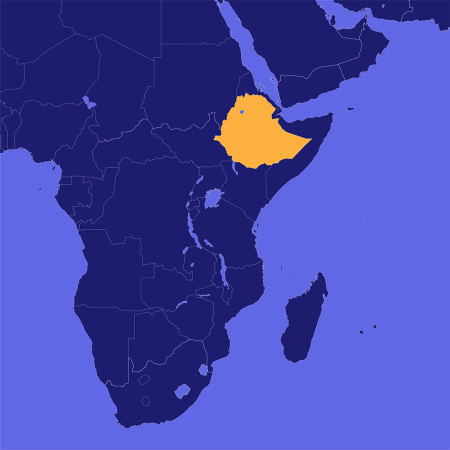
  • Africa: Ethiopia
Guttmacher Institute

Center facts. Shape policy.
Advance sexual and reproductive rights.®

Donate Now
Newsletter Signup  Contact Us 
  • X
  • Facebook
  • Instagram
  • Youtube
  • LinkedIn
  • Contact

Footer

  • Privacy Policy
  • Accessibility Statement
© 2025 Guttmacher Institute. The Guttmacher Institute is registered as a 501(c)(3) nonprofit organization under the tax identification number 13-2890727. Contributions are tax deductible to the fullest extent allowable.