
Guttmacher Institute

Search

  • Facebook
  • Instagram
  • Youtube
  • LinkedIn
  • Contact

Highlights

  • Reproductive Health Impact Study
  • Adding It Up
  • Abortion Worldwide
  • Guttmacher-Lancet Commission
  • US policy resources
  • State policy resources
  • International Perspectives on Sexual and Reproductive Health (1975–2020)
  • Perspectives on Sexual and Reproductive Health (1969–2020)

Reports

  • Global
  • United States

Articles

  • Global research
  • US research
  • Policy analysis
  • Guttmacher Policy Review
  • Opinion

Fact Sheets

  • Global
  • United States
  • US State Laws and Policies

Tools

  • Interactive Map: US Abortion Policies and Access After Roe
  • Safe Abortion Calculator
  • Family Planning Investment Impact Calculator
  • Monthly Abortion Provision Study Dashboard
  • Public-use data sets

Global

  • Abortion
  • Contraception
  • Pregnancy
  • Teens

US

  • Abortion
  • Contraception
  • Pregnancy
  • Teens

Our Work by Geography

  • Global
  • Africa
  • Asia
  • Europe
  • Latin America & the Caribbean
  • Northern America
  • Oceania

Who We Are

  • About
  • Staff
  • Board
  • Job opportunities
  • Newsletter
  • History
  • Contact
  • Conflict of Interest Policy

Media

  • Media office
  • News releases
  • Videos

Support Our Work

  • Make a gift today
  • Monthly Giving Circle
  • Ways to Give
  • Guttmacher Guardians
  • Guttmacher Legacy Circle
  • Financials
  • Impact Report 2025

Awards & Scholarships

  • Darroch Award
  • Richards Scholarship
  • Bixby Fellowship
Donate
Guttmacher Institute
Donate

Highlights

  • Reproductive Health Impact Study
  • Adding It Up
  • Abortion Worldwide
  • Guttmacher-Lancet Commission
  • US policy resources
  • State policy resources
  • International Perspectives on Sexual and Reproductive Health (1975–2020)
  • Perspectives on Sexual and Reproductive Health (1969–2020)

Reports

  • Global
  • United States

Articles

  • Global research
  • US research
  • Policy analysis
  • Guttmacher Policy Review
  • Opinion

Fact Sheets

  • Global
  • United States
  • US State Laws and Policies

Tools

  • Interactive Map: US Abortion Policies and Access After Roe
  • Safe Abortion Calculator
  • Family Planning Investment Impact Calculator
  • Monthly Abortion Provision Study Dashboard
  • Public-use data sets

Global

  • Abortion
  • Contraception
  • Pregnancy
  • Teens

US

  • Abortion
  • Contraception
  • Pregnancy
  • Teens

Our Work by Geography

  • Global
  • Africa
  • Asia
  • Europe
  • Latin America & the Caribbean
  • Northern America
  • Oceania

Who We Are

  • About
  • Staff
  • Board
  • Job opportunities
  • Newsletter
  • History
  • Contact
  • Conflict of Interest Policy

Media

  • Media office
  • News releases
  • Videos

Support Our Work

  • Make a gift today
  • Monthly Giving Circle
  • Ways to Give
  • Guttmacher Guardians
  • Guttmacher Legacy Circle
  • Financials
  • Impact Report 2025

Awards & Scholarships

  • Darroch Award
  • Richards Scholarship
  • Bixby Fellowship
Donate
  • Facebook
  • Instagram
  • Youtube
  • LinkedIn
  • Contact
BMC Conflict and Health

Estimating abortion incidence and unintended pregnancy among adolescents living in refugee settlements in Uganda

Authors

Stephanie Küng, Guttmacher Institute Margaret Giorgio, Guttmacher Institute Peter Kisaakye, Population Council Kenya Bonnie Wandera, African Population and Health Research Center Yohannes Dibaba Wado, Ipas Ethiopia George Odwe, Population Council Kenya

Background

Uganda has one of the highest teenage pregnancy rates in the world. While barriers to contraceptive uptake are well documented, little is known about the incidence of abortion and unintended pregnancy among adolescents living in refugee settlements in Uganda.

Methods

We used an age-specific variant of the Abortion Incidence Complications Method (AICM), modified for refugee settings. We drew on three surveys administered in Uganda in 2023: a Health Facilities Survey, Knowledgeable Informant Survey, and Prospective Morbidity Survey. We used chi-squared tests for association to assess differences in reproductive health characteristics and outcomes between adolescent and non-adolescent post abortion care (PAC) patients.

Results

Adolescents aged 15-19 living in refugee settlements have the lowest overall abortion rate (19.7 per 1,000 women). However, when adjusted for sexual activity, adolescents living in refugee settlements have the highest abortion rates when assessed only among those who have ever had sex (89.0 per 1,000 women) or had recent sex (123.7 per 1,000 women). Over one-half of pregnancies among adolescent refugees are unintended (57.2%), but compared to other women of reproductive age they have the lowest proportion of unintended pregnancies ending in abortion (40.6%). There were no significant differences in patient care experiences and severity of abortion complications between adolescent and non-adolescent PAC patients.

Conclusions

Adolescents living in refugee settlements have high rates of induced abortion and unintended pregnancy. Expanding access to sexual and reproductive health information and services, including safe abortion and contraception, is critical. In particular, efforts should focus on strengthening supply chains, ensuring sexual and reproductive health is integrated into humanitarian programming, and strengthening community outreach to disseminate safe abortion information and make contraceptive services more accessible.

First published on BMC Conflict and Health: March 21, 2026

DOI: https://doi.org/10.1186/s13031-026-00782-5

Share

Topic

Global

  • Abortion

Geography

  • Global
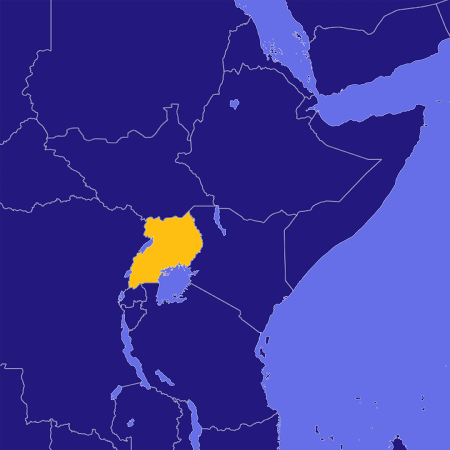
  • Africa: Uganda
Guttmacher Institute

Center facts. Shape policy.
Advance sexual and reproductive rights.®

Donate Now
Newsletter Signup  Contact Us 
  • Facebook
  • Instagram
  • Youtube
  • LinkedIn
  • Contact

Footer

  • Privacy Policy
  • Accessibility Statement
© 2026 Guttmacher Institute. The Guttmacher Institute is registered as a 501(c)(3) nonprofit organization under the tax identification number 13-2890727. Contributions are tax deductible to the fullest extent allowable.