
Guttmacher Institute

Search

  • Facebook
  • Instagram
  • Youtube
  • LinkedIn
  • Contact

Highlights

  • Reproductive Health Impact Study
  • Adding It Up
  • Abortion Worldwide
  • Guttmacher-Lancet Commission
  • US policy resources
  • State policy resources
  • International Perspectives on Sexual and Reproductive Health (1975–2020)
  • Perspectives on Sexual and Reproductive Health (1969–2020)

Reports

  • Global
  • United States

Articles

  • Global research
  • US research
  • Policy analysis
  • Guttmacher Policy Review
  • Opinion

Fact Sheets

  • Global
  • United States
  • US State Laws and Policies

Tools

  • Interactive Map: US Abortion Policies and Access After Roe
  • Safe Abortion Calculator
  • Family Planning Investment Impact Calculator
  • Monthly Abortion Provision Study Dashboard
  • Public-use data sets

Global

  • Abortion
  • Contraception
  • Pregnancy
  • Teens

US

  • Abortion
  • Contraception
  • Pregnancy
  • Teens

Our Work by Geography

  • Global
  • Africa
  • Asia
  • Europe
  • Latin America & the Caribbean
  • Northern America
  • Oceania

Who We Are

  • About
  • Staff
  • Board
  • Job opportunities
  • Newsletter
  • History
  • Contact
  • Conflict of Interest Policy

Media

  • Media office
  • News releases
  • Videos

Support Our Work

  • Make a gift today
  • Monthly Giving Circle
  • Ways to Give
  • Guttmacher Guardians
  • Guttmacher Legacy Circle
  • Financials
  • Impact Report 2025

Awards & Scholarships

  • Darroch Award
  • Richards Scholarship
  • Bixby Fellowship
Donate
Guttmacher Institute
Donate

Highlights

  • Reproductive Health Impact Study
  • Adding It Up
  • Abortion Worldwide
  • Guttmacher-Lancet Commission
  • US policy resources
  • State policy resources
  • International Perspectives on Sexual and Reproductive Health (1975–2020)
  • Perspectives on Sexual and Reproductive Health (1969–2020)

Reports

  • Global
  • United States

Articles

  • Global research
  • US research
  • Policy analysis
  • Guttmacher Policy Review
  • Opinion

Fact Sheets

  • Global
  • United States
  • US State Laws and Policies

Tools

  • Interactive Map: US Abortion Policies and Access After Roe
  • Safe Abortion Calculator
  • Family Planning Investment Impact Calculator
  • Monthly Abortion Provision Study Dashboard
  • Public-use data sets

Global

  • Abortion
  • Contraception
  • Pregnancy
  • Teens

US

  • Abortion
  • Contraception
  • Pregnancy
  • Teens

Our Work by Geography

  • Global
  • Africa
  • Asia
  • Europe
  • Latin America & the Caribbean
  • Northern America
  • Oceania

Who We Are

  • About
  • Staff
  • Board
  • Job opportunities
  • Newsletter
  • History
  • Contact
  • Conflict of Interest Policy

Media

  • Media office
  • News releases
  • Videos

Support Our Work

  • Make a gift today
  • Monthly Giving Circle
  • Ways to Give
  • Guttmacher Guardians
  • Guttmacher Legacy Circle
  • Financials
  • Impact Report 2025

Awards & Scholarships

  • Darroch Award
  • Richards Scholarship
  • Bixby Fellowship
Donate
  • Facebook
  • Instagram
  • Youtube
  • LinkedIn
  • Contact
Contraception

Factors associated with sale of medication abortion drugs without a prescription in pharmacies and drugstores in Addis Ababa, Ethiopia: Findings from a mystery client study

Authors

Stephanie Küng, Guttmacher Institute Alice F. Cartwright, Guttmacher Institute Bashiru Mohammed, Guttmacher Institute Mahari Yidego, Performance Monitoring for Action (PMA) Kidist Lemma, St. Paul's Hospital Millennium Medical College, Addis Ababa, Ethiopia Tesfaye Tufa, University of Toronto

Abstract

Objectives

Little is known about the sale of medication abortion drugs without a prescription in pharmacies and drugstores in Ethiopia. We explored factors associated with sale of abortion pills without a prescription in these settings.

Study Design

Mystery clients visited 600 outlets in Addis Ababa to request abortion pills without a prescription. We ran tests for association to understand factors associated with sale of medication abortion drugs and descriptively analyzed the reasons mystery clients were not sold the pills.

Results

Mystery clients were sold medication abortion drugs in one-quarter of visits (23.5%). In multivariable regression, mystery clients assisted by male staff or outlet managers/owners had significantly higher odds of being sold abortion pills compared to female staff (aOR = 1.61; 95% CI = 1.02-2.54) and to employees/staff (aOR = 1.78; 95% CI = 1.06-2.99). Mystery clients who disclosed their marital status and the reason for wanting an abortion had twice the odds of being sold medication abortion drugs compared to those who were not asked these details (aOR = 2.32; 95% CI = 1.37-3.92; and aOR = 2.05; 95% CI = 1.22-3.46, respectively). The outlet not stocking abortion pills was the main reason mystery clients were not sold pills.

Conclusions

The practice of selling abortion pills without a prescription is already happening, and sale of these medications varies significantly by certain staff and visit characteristics. There is potential for involving pharmacists in the expansion of safe abortion services in Ethiopia.

Implications

This study provides crucial insights into factors that affect access to abortion care in pharmaceutical outlets in Addis Ababa, Ethiopia. The practice of selling medication abortion drugs without a prescription is happening, and removing barriers to accessing abortion pills from pharmaceutical outlets would greatly expand access to safe abortion in Ethiopia.

First published on Contraception: March 31, 2026

DOI: https://doi.org/10.1016/j.contraception.2026.111457

Share

Topic

Global

  • Abortion

Geography

  • Global
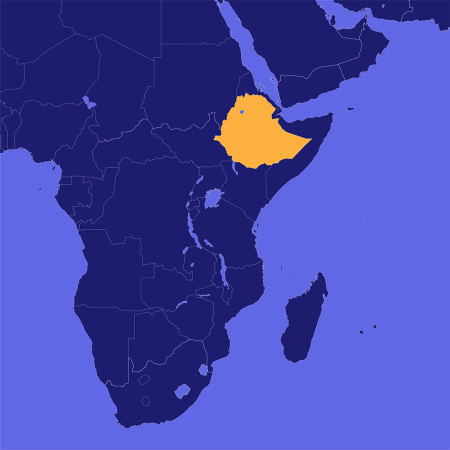
  • Africa: Ethiopia
Guttmacher Institute

Center facts. Shape policy.
Advance sexual and reproductive rights.®

Donate Now
Newsletter Signup  Contact Us 
  • Facebook
  • Instagram
  • Youtube
  • LinkedIn
  • Contact

Footer

  • Privacy Policy
  • Accessibility Statement
© 2026 Guttmacher Institute. The Guttmacher Institute is registered as a 501(c)(3) nonprofit organization under the tax identification number 13-2890727. Contributions are tax deductible to the fullest extent allowable.