

Guttmacher Institute

Search

  • Facebook
  • Instagram
  • Youtube
  • LinkedIn
  • Contact

Highlights

  • Reproductive Health Impact Study
  • Adding It Up
  • Abortion Worldwide
  • Guttmacher-Lancet Commission
  • US policy resources
  • State policy resources
  • International Perspectives on Sexual and Reproductive Health (1975–2020)
  • Perspectives on Sexual and Reproductive Health (1969–2020)

Reports

  • Global
  • United States

Articles

  • Global research
  • US research
  • Policy analysis
  • Guttmacher Policy Review
  • Opinion

Fact Sheets

  • Global
  • United States
  • US State Laws and Policies

Tools

  • Interactive Map: US Abortion Policies and Access After Roe
  • Safe Abortion Calculator
  • Family Planning Investment Impact Calculator
  • Monthly Abortion Provision Study Dashboard
  • Public-use data sets

Global

  • Abortion
  • Contraception
  • Pregnancy
  • Teens

US

  • Abortion
  • Contraception
  • Pregnancy
  • Teens

Our Work by Geography

  • Global
  • Africa
  • Asia
  • Europe
  • Latin America & the Caribbean
  • Northern America
  • Oceania

Who We Are

  • About
  • Staff
  • Board
  • Job opportunities
  • Newsletter
  • History
  • Contact
  • Conflict of Interest Policy

Media

  • Media office
  • News releases

Support Our Work

  • Make a gift today
  • Monthly Giving Circle
  • Ways to Give
  • Guttmacher Guardians
  • Guttmacher Legacy Circle
  • Financials
  • Impact Report 2025

Awards & Scholarships

  • Darroch Award
  • Richards Scholarship
  • Bixby Fellowship
Donate
Guttmacher Institute
Donate

Highlights

  • Reproductive Health Impact Study
  • Adding It Up
  • Abortion Worldwide
  • Guttmacher-Lancet Commission
  • US policy resources
  • State policy resources
  • International Perspectives on Sexual and Reproductive Health (1975–2020)
  • Perspectives on Sexual and Reproductive Health (1969–2020)

Reports

  • Global
  • United States

Articles

  • Global research
  • US research
  • Policy analysis
  • Guttmacher Policy Review
  • Opinion

Fact Sheets

  • Global
  • United States
  • US State Laws and Policies

Tools

  • Interactive Map: US Abortion Policies and Access After Roe
  • Safe Abortion Calculator
  • Family Planning Investment Impact Calculator
  • Monthly Abortion Provision Study Dashboard
  • Public-use data sets

Global

  • Abortion
  • Contraception
  • Pregnancy
  • Teens

US

  • Abortion
  • Contraception
  • Pregnancy
  • Teens

Our Work by Geography

  • Global
  • Africa
  • Asia
  • Europe
  • Latin America & the Caribbean
  • Northern America
  • Oceania

Who We Are

  • About
  • Staff
  • Board
  • Job opportunities
  • Newsletter
  • History
  • Contact
  • Conflict of Interest Policy

Media

  • Media office
  • News releases

Support Our Work

  • Make a gift today
  • Monthly Giving Circle
  • Ways to Give
  • Guttmacher Guardians
  • Guttmacher Legacy Circle
  • Financials
  • Impact Report 2025

Awards & Scholarships

  • Darroch Award
  • Richards Scholarship
  • Bixby Fellowship
Donate
  • Facebook
  • Instagram
  • Youtube
  • LinkedIn
  • Contact
Report
April 2026

Safe Abortion Calculator Methodology

Guttmacher logo

Reproductive rights are under attack. Will you help us fight back with facts?

Donate

Access the Calculator


Definitions and Terminology

In the Safe Abortion Calculator, induced abortions are classified as “safe,” “less safe” and “least safe,” based on the 2017 World Health Organization (WHO) definition of abortion safety.1 According to this definition, “safe” abortions are those provided by a trained provider, using an appropriate method for the pregnancy duration as recommended by the WHO. “Less safe” abortions are those that meet only one of the criteria for safe abortions, and “least safe” abortions are those that meet none of the criteria; the two types together form the category of “unsafe” abortions.

Safe abortion care, as defined in the calculator analysis, refers to the provision of abortion services that are supported fully or partially by the formal health care system, including access to accurate information, counseling and services. The current 2025 WHO abortion care guidelines2 also make clear that an abortion can be safely self-managed outside of a health care facility, provided an individual has access to accurate information, quality medicines and support from a trained health worker, if wanted or needed. While recognizing that people self-managing an abortion should have access to these services if they want or need them, the calculator does not include self-managed medication abortion in safe abortion care because of data scarcity to quantify incidence at the population level across low- and middle-income countries (LMICs).

Study Design

The Safe Abortion Calculator is based on a sub-analysis of Guttmacher Institute’s Adding it Up study. Adding It Up 2024 produced estimates on the need for, impact of and costs associated with providing sexual and reproductive health services in 128 LMICs.3 Adding It Up 2024 assesses the number of women of reproductive age (15–49) who need and receive contraceptive services, pregnancy-related and newborn services (including services for pregnant women and their newborns, safe abortion services and postabortion care), and treatment for the most common curable STIs. The project estimates total costs for providing care currently and estimates various hypothetical scenarios for increasing coverage for contraceptive care, pregnancy-related and newborn care, or both types of care together. This scenario-based approach facilitates comparisons between care as it is currently being provided and the associated costs and impacts of scaling up care to meet all needs for sexual and reproductive health services.

The Safe Abortion Calculator analysis adopts the analytic framework and core assumptions of Adding It Up as outlined in the Adding It Up 2024 Methodology Report,4 and introduces updated assumptions, data sources and analytic approaches that focus specifically on the abortion and postabortion care components. In addition, the calculator introduces a hypothetical scenario whereby safe abortion care provision is incrementally increased, to examine the associated impacts on abortion and postabortion care provision and costs. Table 1 provides information about the underlying data inputs and strength of the evidence for the various assumptions in this analysis.

Data Sources

The calculator generates estimates for a subset of the countries included in the Adding It Up 2024 analysis. Specifically, we only include LMICs in subregions where unsafe abortion is a persistent problem—defined as subregions with an estimated incidence of unsafe abortion above 25%.1 The analysis includes 117 countries across Africa, Asia, Latin America and the Caribbean, and Oceania. To estimate the total induced abortions by country for 2024, we leverage country-specific, model-based estimates of the annual number of abortions and the annual number of births in 2015–2019 in each country 5  to calculate a ratio of abortions to births. For countries without publicly available model-based abortion estimates, we use model-based subregional estimates of abortions due to a lack of country-level estimates. To generate country-specific abortion incidence for 2024, we apply the abortions-to-births ratio to the number of births in 2024 per World Population Prospects.6 We assume that all abortions occur among women experiencing unintended pregnancies.

We subdivide the total number of induced abortions in each country by safety based on the abortion safety definitions from Ganatra et al.1 For five countries where data are available, we use country-specific studies to classify abortions into safety categories;7–11 for the remaining 112 countries, we apply subregional estimates of safety from Ganatra et al. We then distribute abortions within safety categories by abortion method type. We determine these distributions primarily based on expert opinion, supplemented with medication abortion information available from Gynuity Health Projects12 and the Medical Abortion Commodities Database.13 Methods for safe abortion include manual or electric vacuum aspiration, dilation and evacuation, and medication abortion (either misoprostol only or both misoprostol and mifepristone). Methods for less safe abortion encompass manual or electric vacuum aspiration, dilation and curettage, and medication abortion (misoprostol or both misoprostol and mifepristone). We assume that least safe abortions occur entirely outside of the health care system; therefore, we do not estimate service provision and costs for such abortions and do not divide them by method.

Some induced abortions result in health outcomes that require medical care; the vast majority of abortion-related complications are due to unsafe abortion. To estimate the number of induced abortions resulting in complications, we apply a complication rate to safe and unsafe abortions. We assume one standardized safe abortion complication rate of 3% across all included countries, based on country-specific data available on abortion from Ethiopia and Nepal.8,14 We also assume one standardized unsafe abortion complication rate of 40%, based on prior abortion estimation that compiled data from several country-specific abortion studies that relied on the opinions of health professionals and others knowledgeable about abortion in their countries.15

Abortion complications are known to range in severity and symptomology. To estimate the proportion of abortion complications with specific severity and symptoms, we compiled data from several literature sources. Specifically, we extracted the underlying data from a 2018 systematic review, as well as additional abortion incidence studies, to generate postabortion care symptom distributions.16–44 Patients presenting with abortion complications may experience multiple complications at once; therefore, the categories are not mutually exclusive. We assume the same proportions of types of complications regardless of abortion safety, as there is a lack of evidence to otherwise inform our analysis. This assumption likely overestimates the severity of complications from safe abortions, given what we know from high-income countries about the safety and effectiveness of safe abortion care.45–49 Taking this conservative approach avoids underestimating the postabortion care costs associated with safe abortion cases. Across all types of abortions, an estimated 87% of complications are considered non-severe and an estimated 13% of complications are considered severe.

In this analysis, we estimate the costs associated with abortion care and postabortion care for all included countries. To do so, we estimate the direct costs (e.g., drugs, supplies, personnel time and inpatient hospital food) associated with induced abortion and postabortion care. For drugs and medical supplies, we consult a variety of procurement pricing resources to locate the most recent price for a specific item and assume the same cost across all countries due to limited data availability. For this analysis, we procure drug and supply costs from UNICEF,50 the IDA Foundation,51 UNFPA52 and other online sources.53–59 The Adding It Up 2024 Methodology Report4 outlines our approach for personnel costing data in detail. For this analysis, we follow the same inflation approach, with salaries adjusted to 2026. For hospital costs, we use an assumption for daily hospital food costs and adjust to 2026. We also estimate indirect costs, which are the costs of the programs and systems required to provide abortion and postabortion care. We combine the direct and indirect costs to estimate a total cost per case. For this analysis, costs are estimated in 2026 US dollars.

Analytic Framework

First, this analysis generates current estimates of abortion incidence by safety and postabortion care across the 117 included LMICs. For abortion services, we estimate the number of safe and unsafe abortions by estimating total induced abortions, dividing them into safety categories and distributing them among methods. For postabortion care for complications from induced abortion, we estimate the number of abortions resulting in complications based on the aforementioned abortion complication rates by safety. We assume that all complications are treated regardless of safety, though in many countries, women needing postabortion care may not receive it. For women requiring prereferral management of abortion complications, we assume that the number of women needing this intervention is equivalent to the proportion of women needing treatment in a comprehensive emergency obstetric facility who do not receive care in such a facility or receive no care. Further, we assume that the number of complications needing this intervention is equivalent to the proportion of deliveries not receiving care in comprehensive emergency obstetric facilities. Then, we calculate the costs of induced abortion and postabortion care services. Figure 1 outlines the analytic framework for this analysis.

Second, this study estimates the impacts of scaling up the provision of safe abortion care. To do so, the proportion of abortions that are classified as safe in a particular country is increased by 1% increments until 100% of abortions are safe. Each percentage increase in safe abortion care provision necessitates a 1% decrease in unsafe abortion care provision; in other words, unsafe abortions are reclassified from unsafe to safe incrementally and at each step, all components of the analysis are calculated—induced abortion care costs, the number of resulting postabortion care complications and postabortion care costs.

All analyses were conducted in Stata version 17.0.60
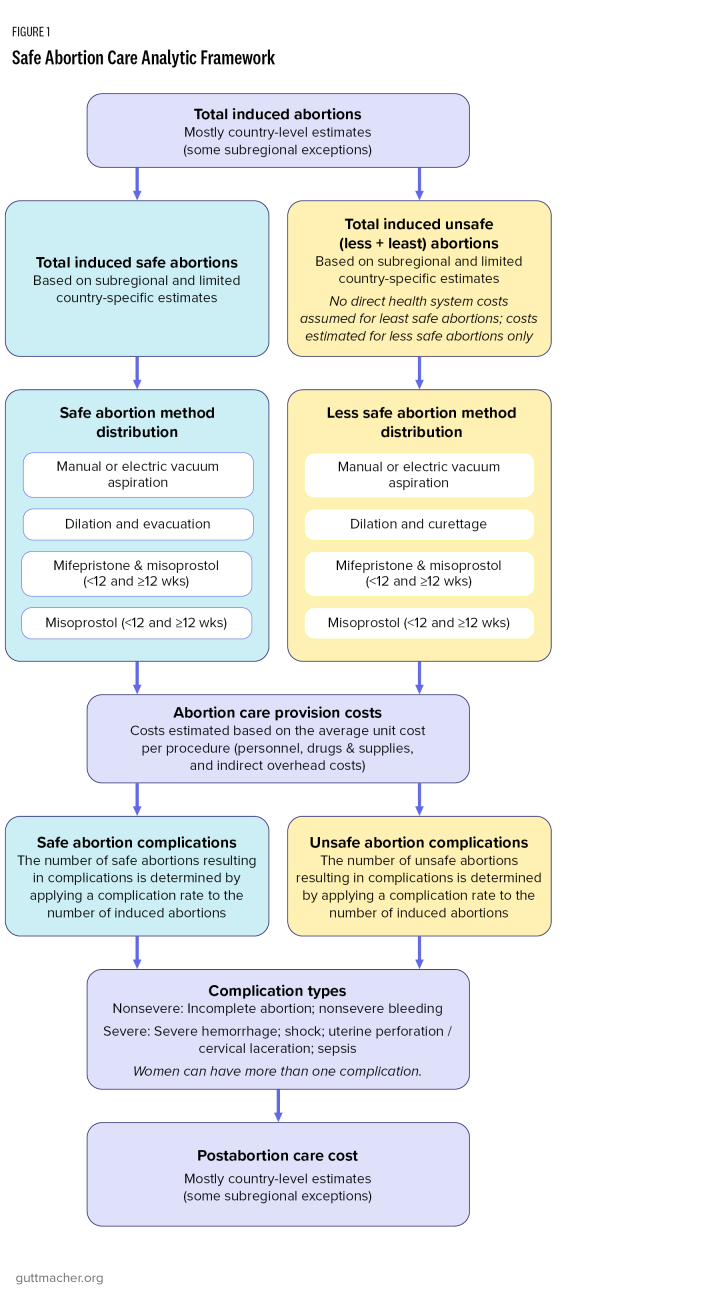
Table 1. Strength of Evidence and Sources of Analytic Assumptions

Data InputData LevelStrength of Evidence
Abortion IncidenceCountry specific, with 24 exceptions where subregional estimates are usedStrong: Guttmacher’s Unintended Pregnancy and Abortion Worldwide study produced country-specific births and abortions for 2015–2019 that were applied to 2024 births. Subregional data are only used when country-level estimates are suppressed by the underlying study.

Data Sources (2)

  • Bearak J et al., Unintended pregnancy and abortion by income, region, and the legal status of abortion: estimates from a comprehensive model for 1990–2019, Lancet Global Health, 2020, 8(9):e1152–e1161, doi:10.1016/S2214-109X(20)30315-6.
  • Bearak JM et al., Pregnancies, abortions, and pregnancy intentions: a protocol for modeling and reporting global, regional and country estimates, Reproductive Health, 2019, 16(1):36, doi:10.1186/s12978-019-0682-0.
Data InputData LevelStrength of Evidence
Abortions by SafetySubregional level, with 5 country-level exceptionsMedium: Estimates are from 2016–2018 sources and the application of a subregional assumption to most countries (112/117 = 96%) is weak.

Data Sources (6)

  • Ganatra B et al., Global, regional, and subregional classification of abortions by safety, 2010-14: estimates from a Bayesian hierarchical model, Lancet, 2017, 390(10110):2372–2381, doi:10.1016/S0140-6736(17)31794-4.
  • Singh S et al., The incidence of menstrual regulation procedures and abortion in Bangladesh, 2014, International Perspectives on Sexual and Reproductive Health, 2017, 43(1):1–11, doi:10.1363/43e2417.
  • Moore AM et al., The estimated incidence of induced abortion in Ethiopia, 2014: changes in the provision of services since 2008, International Perspectives on Sexual and Reproductive Health, 2016, 42(3):111–120, doi:10.1363/42e1816.
  • Polis CB et al., Estimating the incidence of abortion: using the Abortion Incidence Complications Methodology in Ghana, 2017, BMJ Global Health, 2020, 5(4), doi:10.1136/bmjgh-2019-002130.
  • Singh S et al., The incidence of abortion and unintended pregnancy in India, 2015, Lancet Global Health, 2018, 6(1):e111–e120, doi:10.1016/S2214-109X(17)30453-9.
  • Puri M et al., Abortion incidence and unintended pregnancy in Nepal, International Perspectives on Sexual and Reproductive Health, 2016, 42(4):197–209.
Data InputData LevelStrength of Evidence
Abortions by MethodMix of subregional-level and country-level assumptionsMedium: Countries are grouped into categories primarily based on expert opinion due to a lack of data availability. Country-level data are available on mifepristone registration and medication abortion availability, which are used to further classify countries.

Data Sources (3)

  • Expert opinion.
  • Gynuity Health Projects, Mifepristone Approved List, 2024, https://gynuity.org/resources/list-of-mifepristone-approvals.
  • International Planned Parenthood Federation, Medical Abortion Commodities Database, 2025, https://medab.org.
Data InputData LevelStrength of Evidence
Safe Abortion Complication RateGlobal: the same safe abortion complication rate is applied to all included countries.Weak: Due to very limited data availability, we assume one standardized safe abortion complication rate across countries, which is based on country-specific data on abortion from 2 countries. Evidence from high-income countries suggests a much lower rate of complications for safe abortion care.

Data Sources (2)

  • Moore AM et al., The estimated incidence of induced abortion in Ethiopia, 2014: changes in the provision of services since 2008, International Perspectives on Sexual and Reproductive Health, 2016, 42(3):111–120, doi:10.1363/42e1816.
  • Warriner IK et al., Can midlevel health-care providers administer early medical abortion as safely and effectively as doctors? A randomised controlled equivalence trial in Nepal, Lancet, 2011, 377(9772):1155–1161, doi:10.1016/S0140-6736(10)62229-5.
Data InputData LevelStrength of Evidence
Unsafe Abortion Complication RateGlobal: the same unsafe abortion complication rate is applied to all included countries.Weak: Due to very limited data availability, we assume one standardized unsafe abortion complication rate across countries, which comes from a 2017 Guttmacher publication. That rate is based on data compiled from 14 country-level studies that surveyed health professionals and others knowledgeable about abortion in those countries. The same data source is used in WHO’s model for estimating abortion safety.

Data Sources (1)

  • Singh S et al., Abortion Worldwide 2017: Uneven Progress and Unequal Access, New York: Guttmacher Institute, 2018, https://www.guttmacher.org/report/abortion-worldwide-2017.
Data InputData LevelStrength of Evidence
Abortion Complications by TypeGlobal: the same abortion complications by type breakdown is applied to all included countries.Strong: Postabortion care complications by type are computed as averages based on input from studies that represent a wide geographic scope.

Data Sources (28)

  • Ziraba AK et al., Unsafe abortion in Kenya: a cross-sectional study of abortion complication severity and associated factors, BMC Pregnancy and Childbirth, 2015, 15:34, doi:10.1186/s12884-015-0459-6.
  • Ministry of Health, African Population and Health Research Center and Guttmacher Institute, Incidence of Induced Abortions and the Severity of Abortion-Related Complications in Kenya: Findings of a National Study, African Population and Health Research Center, 2025, https://aphrc.org/publication/incidence-of-induced-abortions-and-the-severity-of-abortion-related-complications-in-kenya-2/.
  • Giorgio MM et al., The severity and management of postabortion care complications in Liberia, August 2024, doi:10.21203/rs.3.rs-4757559/v1 (preprint).
  • Küng S et al., Abortion-related morbidity and mortality in Sierra Leone: results from a 2021 cross-sectional study, BMC Public Health, 2025, 25(1):1121.
  • Bankole A et al., The severity and management of complications among postabortion patients treated in Kinshasa health facilities, International Perspectives on Sexual and Reproductive Health, 2018, 44(1):1–9, doi:10.1363/44e5618.
  • Madziyire MG et al., Severity and management of postabortion complications among women in Zimbabwe, 2016: a cross-sectional study, BMJ Open, 2018, 8(2):e019658, doi:10.1136/bmjopen-2017-019658.
  • Bello FA et al., Trends in misoprostol use and abortion complications: A cross-sectional study from nine referral hospitals in Nigeria, PLOS One, 2018, 13(12):e0209415, doi:10.1371/journal.pone.0209415.
  • Ouattara A et al., [Unsafe abortions in countries that restrict legal abortions. Epidemiologic, clinical, and prognostic aspects at the University Hospital Center Yalgado-Ouédraogo of Ouagadougou], Medecine et Sante Tropicales, 2015, 25(2):210–214, doi:10.1684/mst.2015.0464.
  • Nkwabong E, Mbu RE and Fomulu JN, How risky are second trimester clandestine abortions in Cameroon: a retrospective descriptive study, BMC Women’s Health, 2014, 14:108, doi:10.1186/1472-6874-14-108.
  • Gerdts C, Prata N and Gessessew A, An unequal burden: Risk factors for severe complications following unsafe abortion in Tigray, Ethiopia, International Journal of Gynecology & Obstetrics, 2012, 118(Suppl. 2):S107–S112, doi:10.1016/S0020-7292(12)60008-3.
  • Damalie FJMK et al., Severe morbidities associated with induced abortions among misoprostol users and non-users in a tertiary public hospital in Ghana, BMC Women’s Health, 2014, 14:90, doi:10.1186/1472-6874-14-90.
  • Kalilani-Phiri L et al., The severity of abortion complications in Malawi, International Journal of Gynecology & Obstetrics, 2015, 128(2):160–164, doi:10.1016/j.ijgo.2014.08.022.
  • Laghzaoui O, Avortements non médicalisés: état des lieux à travers une étude rétrospective de 451 cas traités à l’hôpital militaire d’instruction Moulay Ismail Meknès, Maroc, The Pan African Medical Journal, 2016, 24:83, doi:10.11604/pamj.2016.24.83.8624.
  • Ikeanyi ME and Okonkwo CA, Complicated illegal induced abortions at a tertiary health institution in Nigeria, Pakistan Journal of Medical Sciences, 2014, 30(6):1398–1402, doi:10.12669/pjms.306.5506.
  • Nakimuli A et al., Maternal near misses from two referral hospitals in Uganda: a prospective cohort study on incidence, determinants and prognostic factors, BMC Pregnancy and Childbirth, 2016, 16:24, doi:10.1186/s12884-016-0811-5.
  • Mellerup N et al., Management of abortion complications at a rural hospital in Uganda: a quality assessment by a partially completed criterion-based audit, BMC Women’s Health, 2015, 15:76, doi:10.1186/s12905-015-0233-y.
  • Singh AK, Kumar L and Bastia BK, Critical appraisal of unsafe abortions in Western Orissa: A hospital based study, Medico-Legal Update, 2012, 12(2), https://indianjournals.com/article/mlu-12-2-021.
  • Faruqi NJ et al., Unsafe abortion – a clandestine epidemic, Pakistan Journal of Medical and Health Sciences, 2011, 5(3):592–594.
  • Majeed T et al., Maternal mortality and induced abortion, Pakistan Journal of Medical and Health Sciences, 2011, 5(3):480–483.
  • Sadaf F, Shaheen N and Rahim R, Morbidity and mortality profile of illegally induced abortion, Journal of Medical Sciences, 2020, 21(3):111–113.
  • Haddad LB and Nour NM, Unsafe abortion: unnecessary maternal mortality, Reviews in Obstetrics and Gynecology, 2009, 2(2):122–126.
  • Zia S, Profile of mortality and morbidity outcomes of illegal abortions in Lahore, Journal of Postgraduate Medical Institute, 2012, 26(3):296–302.
  • Shaikh SN et al., Frequency demographics and maternal morbidity associated with complicated cases of unsafe abortion presenting at a tertiary care hospital, Larkana, Pakistan, Rawal Medical Journal, 2014, 39(3):303–306.
  • Tayyba A and Gul-E-Raana, Demographic and clinical profile of patients with complicated unsafe abortion, Pakistan Journal of Medical & Health Sciences, 9(3):1088–1091.
  • Phaumvichit T and Chandeying V, Comparison of condition specific indicators among illegal induced abortion: septic and non-septic abortion in Songkla Center Hospital, Journal of the Medical Association of Thailand, 2012, 95(5):625–629.
  • Adesse L et al., Complicações do abortamento e assistência em maternidade pública integrada ao Programa Nacional Rede Cegonha, Saúde em Debate, 2015, 39(106):694–706, doi:10.1590/0103-1104201510600030011.
  • Qureshi Z et al., Understanding abortion-related complications in health facilities: results from WHO multicountry survey on abortion (MCS-A) across 11 sub-Saharan African countries, BMJ Global Health, 2021, 6(1):e003702, doi:10.1136/bmjgh-2020-003702.
  • Melese T et al., Management of post abortion complications in Botswana - The need for a standardized approach, PLOS One, 2018, 13(2):e0192438, doi:10.1371/journal.pone.0192438.
 
Safe Abortion Care Analytic Framework
DOI: https://doi.org/10.1363/2026.300893

References

1. Ganatra B et al., Global, regional, and subregional classification of abortions by safety, 2010–14: estimates from a Bayesian hierarchical model, Lancet, 2017, 390(10110):2372–2381, https://doi.org/10.1016/S0140-6736(17)31794-4.

2. World Health Organization (WHO), Abortion Care Guideline, second ed., Geneva: WHO, 2025, https://www.who.int/publications/i/item/9789240104204.

3. Sully EA et al., Adding It Up 2024: Investing in Sexual and Reproductive Health in Low- and Middle-Income Countries, New York: Guttmacher Institute, 2025, https://www.guttmacher.org/report/adding-it-up-2024-investing-sexual-and-reproductive-health-low-and-middle-income-countries.

4. Rosenberg JD et al., Adding It Up 2024: Investing in Sexual and Reproductive Health in Low- and Middle-Income Countries—Methodology Report, New York: Guttmacher Institute, 2025, https://osf.io/hrw6f.

5. Bearak J et al., Unintended pregnancy and abortion by income, region, and the legal status of abortion: estimates from a comprehensive model for 1990–2019, Lancet Global Health, 2020, 8(9):e1152–e1161, doi:10.1016/S2214-109X(20)30315-6.

6. Population Division, UN Department of Economic and Social Affairs, World Population Prospects 2024, Online Edition, 2024, https://population.un.org/wpp/downloads.

7. Singh S et al., The incidence of menstrual regulation procedures and abortion in Bangladesh, 2014, International Perspectives on Sexual and Reproductive Health, 2017, 43(1):1–11, doi:10.1363/43e2417.

8. Moore AM et al., The estimated incidence of induced abortion in Ethiopia, 2014: changes in the provision of services since 2008, International Perspectives on Sexual and Reproductive Health, 2016, 42(3):111–120, doi:10.1363/42e1816.

9. Polis CB et al., Estimating the incidence of abortion: using the Abortion Incidence Complications Methodology in Ghana, 2017, BMJ Global Health, 2020, 5(4), doi:10.1136/bmjgh-2019-002130.

10. Singh S et al., The incidence of abortion and unintended pregnancy in India, 2015, Lancet Global Health, 2018, 6(1):e111–e120, doi:10.1016/S2214-109X(17)30453-9.

11. Puri M et al., Abortion incidence and unintended pregnancy in Nepal, International Perspectives on Sexual and Reproductive Health, 2016, 42(4):197–209.

12. Gynuity Health Projects, Mifepristone Approved List, 2024, https://gynuity.org/resources/list-of-mifepristone-approvals.

13. International Planned Parenthood Federation, Medical Abortion Commodities Database, 2025, https://medab.org.

14. Warriner IK et al., Can midlevel health-care providers administer early medical abortion as safely and effectively as doctors? A randomised controlled equivalence trial in Nepal, Lancet, 2011, 377(9772):1155–1161, doi:10.1016/S0140-6736(10)62229-5.

15. Singh S et al., Abortion Worldwide 2017: Uneven Progress and Unequal Access, New York: Guttmacher Institute, 2018, https://www.guttmacher.org/report/abortion-worldwide-2017.

16. Calvert C et al., The magnitude and severity of abortion-related morbidity in settings with limited access to abortion services: a systematic review and meta-regression, BMJ Global Health, 2018, 3(3):e000692, doi:10.1136/bmjgh-2017-000692.

17. Ziraba AK et al., Unsafe abortion in Kenya: a cross-sectional study of abortion complication severity and associated factors, BMC Pregnancy and Childbirth, 2015, 15:34, doi:10.1186/s12884-015-0459-6.

18. Ministry of Health, African Population and Health Research Center and Guttmacher Institute, Incidence of Induced Abortions and the Severity of Abortion-Related Complications in Kenya: Findings of a National Study, African Population and Health Research Center, 2025, https://aphrc.org/publication/incidence-of-induced-abortions-and-the-severity-of-abortion-related-complications-in-kenya-2/.

19. Giorgio MM et al., The severity and management of postabortion care complications in Liberia, August 2024, doi:10.21203/rs.3.rs-4757559/v1 (preprint).

20. Küng S et al., Abortion-related morbidity and mortality in Sierra Leone: results from a 2021 cross-sectional study, BMC Public Health, 2025, 25(1):1121.

21. Bankole A et al., The severity and management of complications among postabortion patients treated in Kinshasa health facilities, International Perspectives on Sexual and Reproductive Health, 2018, 44(1):1–9, doi:10.1363/44e5618.

22. Madziyire MG et al., Severity and management of postabortion complications among women in Zimbabwe, 2016: a cross-sectional study, BMJ Open, 2018, 8(2):e019658, doi:10.1136/bmjopen-2017-019658.

23. Bello FA et al., Trends in misoprostol use and abortion complications: A cross-sectional study from nine referral hospitals in Nigeria, PLOS One, 2018, 13(12):e0209415, doi:10.1371/journal.pone.0209415.

24. Ouattara A et al., [Unsafe abortions in countries that restrict legal abortions. Epidemiologic, clinical, and prognostic aspects at the University Hospital Center Yalgado-Ouédraogo of Ouagadougou], Medecine et Sante Tropicales, 2015, 25(2):210–214, doi:10.1684/mst.2015.0464.

25. Nkwabong E, Mbu RE and Fomulu JN, How risky are second trimester clandestine abortions in Cameroon: a retrospective descriptive study, BMC Women’s Health, 2014, 14:108, doi:10.1186/1472-6874-14-108.

26. Gerdts C, Prata N and Gessessew A, An unequal burden: Risk factors for severe complications following unsafe abortion in Tigray, Ethiopia, International Journal of Gynecology & Obstetrics, 2012, 118(Suppl. 2):S107–S112, doi:10.1016/S0020-7292(12)60008-3.

27. Damalie FJMK et al., Severe morbidities associated with induced abortions among misoprostol users and non-users in a tertiary public hospital in Ghana, BMC Women’s Health, 2014, 14:90, doi:10.1186/1472-6874-14-90.

28. Kalilani-Phiri L et al., The severity of abortion complications in Malawi, International Journal of Gynecology & Obstetrics, 2015, 128(2):160–164, doi:10.1016/j.ijgo.2014.08.022.

29. Laghzaoui O, Avortements non médicalisés: état des lieux à travers une étude rétrospective de 451 cas traités à l’hôpital militaire d’instruction Moulay Ismail Meknès, Maroc, The Pan African Medical Journal, 2016, 24:83, doi:10.11604/pamj.2016.24.83.8624.

30. Ikeanyi ME and Okonkwo CA, Complicated illegal induced abortions at a tertiary health institution in Nigeria, Pakistan Journal of Medical Sciences, 2014, 30(6):1398–1402, doi:10.12669/pjms.306.5506.

31. Nakimuli A et al., Maternal near misses from two referral hospitals in Uganda: a prospective cohort study on incidence, determinants and prognostic factors, BMC Pregnancy and Childbirth, 2016, 16:24, doi:10.1186/s12884-016-0811-5.

32. Mellerup N et al., Management of abortion complications at a rural hospital in Uganda: a quality assessment by a partially completed criterion-based audit, BMC Women’s Health, 2015, 15:76, doi:10.1186/s12905-015-0233-y.

33. Singh AK, Kumar L and Bastia BK, Critical appraisal of unsafe abortions in Western Orissa: A hospital based study, Medico-Legal Update, 2012, 12(2), https://indianjournals.com/article/mlu-12-2-021.

34. Faruqi NJ et al., Unsafe abortion – a clandestine epidemic, Pakistan Journal of Medical and Health Sciences, 2011, 5(3):592–594.

35. Majeed T et al., Maternal mortality and induced abortion, Pakistan Journal of Medical and Health Sciences, 2011, 5(3):480–483.

36. Sadaf F, Shaheen N and Rahim R, Morbidity and mortality profile of illegally induced abortion, Journal of Medical Sciences, 2020, 21(3):111–113.

37. Haddad LB and Nour NM, Unsafe abortion: unnecessary maternal mortality, Reviews in Obstetrics and Gynecology, 2009, 2(2):122–126.

38. Zia S, Profile of mortality and morbidity outcomes of illegal abortions in Lahore, Journal of Postgraduate Medical Institute, 2012, 26(3):296–302.

39. Shaikh SN et al., Frequency demographics and maternal morbidity associated with complicated cases of unsafe abortion presenting at a tertiary care hospital, Larkana, Pakistan, Rawal Medical Journal, 2014, 39(3):303–306.

40. Tayyba A and Gul-E-Raana, Demographic and clinical profile of patients with complicated unsafe abortion, Pakistan Journal of Medical & Health Sciences, 9(3):1088–1091.

41. Phaumvichit T and Chandeying V, Comparison of condition specific indicators among illegal induced abortion: septic and non-septic abortion in Songkla Center Hospital, Journal of the Medical Association of Thailand, 2012, 95(5):625–629.

42. Adesse L et al., Complicações do abortamento e assistência em maternidade pública integrada ao Programa Nacional Rede Cegonha, Saúde em Debate, 2015, 39(106):694–706, doi:10.1590/0103-1104201510600030011.

43. Qureshi Z et al., Understanding abortion-related complications in health facilities: results from WHO multicountry survey on abortion (MCS-A) across 11 sub-Saharan African countries, BMJ Global Health, 2021, 6(1):e003702, doi:10.1136/bmjgh-2020-003702.

44. Melese T et al., Management of post abortion complications in Botswana -The need for a standardized approach, PLOS One, 2018, 13(2):e0192438, doi:10.1371/journal.pone.0192438.

45. Upadhyay UD et al., Incidence of emergency department visits and complications after abortion, Obstetrics & Gynecology, 2015, 125(1):175–183, doi: 10.1097/AOG.0000000000000603.

46. Aiken ARA et al., Safety and effectiveness of self-managed medication abortion provided using online telemedicine in the United States: a population based study, Lancet Regional Health–Americas, 2022; 10:100200, doi:10.1016/j.lana.2022.100200.

47. Grossman D et al., Effectiveness and acceptability of medical abortion provided through telemedicine, Obstetrics & Gynecology, 2011; 118(2 Pt. 1):296–303, doi:10.1097/AOG.0b013e318224d110.  

48. Gatter M, Cleland K and Nucatola DL, Efficacy and safety of medical abortion using mifepristone and buccal misoprostol through 63 days, Contraception, 2015, 91(4):269–273, doi:10.1016/j.contraception.2015.01.005.  

49. Schummers L et al., Abortion safety and use with normally prescribed mifepristone in Canada, New England Journal of Medicine,2021, 386(1):57–67, doi:10.1056/NEJMsa2109779.  

50. UNICEF Supply Division, UNICEF Supply Catalogue, https://supply.unicef.org/.

51. IDA Foundation, Product Indicator, 2025, https://idafoundation.org/wp-content/uploads/2026/02/2025_Product_Indicator.pdf.

52. UNFPA Procurement Services, UNFPA Product Catalog, https://www.unfpa.org/product-catalogue.

53. Inogen, The cost of a day’s breath, archived at https://web.archive.org/web/20190818091535/https://www.inogen.com/resources/health/cost-days-breath/.

54. Discovery Health, How much oxygen does a person consume in a day?, Sharecare, https://www.sharecare.com/health/air-quality/oxygen-person-consume-a-day.

55. Mulligan J et al., Unit costs of health care inputs in low and middle income regions: Working Paper No. 9, Disease Control Priorities Project, Bethesda, MD, USA: Fogarty International Centre, National Institutes of Health, 2003, https://researchonline.lshtm.ac.uk/id/eprint/12952/.

56. IndiaMART – Indian Manufacturers Suppliers Exporters Directory, https://www.indiamart.com.

57. Labtest Zote, Lab Test Prices in Kenya 2026, https://www.labtestzote.com/lab-test-prices-in-kenya/.

58. MediFee, List of Medical Tests (India), www.medifee.com/tests.

59. Alibaba, Health and beauty: health and medical, Alibaba.com, https://www.alibaba.com/product-detail/Sterile-Non-woven-Medical-Alcohol-Swab_1600260127401.html.

60. StataCorp, Stata Statistical Software: Release 17.0, College Station, TX, USA: StataCorp, 2021.

Share

Read More

Policy Analysis

A New Tool to Support Global Safe Abortion Advocacy

Report

Adding It Up 2024: Investing in Sexual and Reproductive Health in Low- and Middle-Income Countries

Family Planning Investment Impact Calculator Methodology

Topic

Global

  • Abortion: Legality and Safety, Cost

Tags

Adding It Up
Guttmacher Institute

Center facts. Shape policy.
Advance sexual and reproductive rights.®

Donate Now
Newsletter Signup  Contact Us 
  • Facebook
  • Instagram
  • Youtube
  • LinkedIn
  • Contact

Footer

  • Privacy Policy
  • Accessibility Statement
© 2026 Guttmacher Institute. The Guttmacher Institute is registered as a 501(c)(3) nonprofit organization under the tax identification number 13-2890727. Contributions are tax deductible to the fullest extent allowable.