
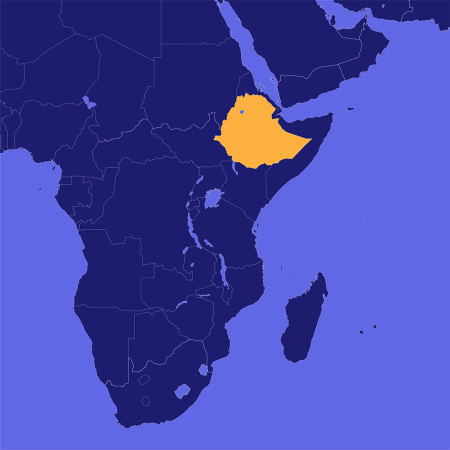
Objective: To assess the quality of medication abortion (MA) services provided in pharmacies and drugstores (‘pharmaceuticaloutlets’) in Ethiopia.
Design: A two-stage cross-sectional study.
Setting: Pharmaceutical outlets in Addis Ababa, Ethiopia.
Sample: Phase 1: 1696 pharmaceutical outlets listed in the Ethiopian Federal Ministry of Health Master Facility Registry, plus 187 additional outlets identified in the field. Phase 2: Selected 600 pharmaceutical outlets.
Methods: After assessing stock availability in phase 1, during phase 2, mystery clients (MCs) visited pharmaceutical outlets to evaluate service quality using an adapted version of the Abortion Care Quality (ACQ) Tool. Descriptive statistics were used to characterise the quality of services provided by the outlets.
Main Outcome Measures: The quality of abortion services provided by pharmaceutical outlets.
Results: Abortion medications were sold without prescriptions in 23.5% of MC visits. Among these sales, client respect (95.7%) and confidentiality (84.4%) were high. Additionally, 67.1% of staff gave correct instructions on dosage, timing, and administration of the medications. However, less than half of the MCs received adequate information on possible complications (36.4%). Almost all medications purchased were unexpired, packaged in aluminum, and of a known brand (96.5%); however, none were characterised as affordable.
Conclusions: Pharmaceutical outlets demonstrated moderate quality for MA services, yet there were notable gaps in counselling for physical side effects and complications, and affordability challenges. With appropriate policy adjustments and training interventions, there is potential to integrate pharmaceutical outlets into the abortion care service delivery infrastructure, ensuring equitable access to safe and effective abortion services in Ethiopia.