
Guttmacher Institute

Search

  • Facebook
  • Instagram
  • Youtube
  • LinkedIn
  • Contact

Highlights

  • Reproductive Health Impact Study
  • Adding It Up
  • Abortion Worldwide
  • Guttmacher-Lancet Commission
  • US policy resources
  • State policy resources
  • International Perspectives on Sexual and Reproductive Health (1975–2020)
  • Perspectives on Sexual and Reproductive Health (1969–2020)

Reports

  • Global
  • United States

Articles

  • Global research
  • US research
  • Policy analysis
  • Guttmacher Policy Review
  • Opinion

Fact Sheets

  • Global
  • United States
  • US State Laws and Policies

Tools

  • Interactive Map: US Abortion Policies and Access After Roe
  • Safe Abortion Calculator
  • Family Planning Investment Impact Calculator
  • Monthly Abortion Provision Study Dashboard
  • Public-use data sets

Global

  • Abortion
  • Contraception
  • Pregnancy
  • Teens

US

  • Abortion
  • Contraception
  • Pregnancy
  • Teens

Our Work by Geography

  • Global
  • Africa
  • Asia
  • Europe
  • Latin America & the Caribbean
  • Northern America
  • Oceania

Who We Are

  • About
  • Staff
  • Board
  • Job opportunities
  • Newsletter
  • History
  • Contact
  • Conflict of Interest Policy

Media

  • Media office
  • News releases
  • Videos

Support Our Work

  • Make a gift today
  • Monthly Giving Circle
  • Ways to Give
  • Guttmacher Guardians
  • Guttmacher Legacy Circle
  • Financials
  • Impact Report 2025

Awards & Scholarships

  • Darroch Award
  • Richards Scholarship
  • Bixby Fellowship
Donate
Guttmacher Institute
Donate

Highlights

  • Reproductive Health Impact Study
  • Adding It Up
  • Abortion Worldwide
  • Guttmacher-Lancet Commission
  • US policy resources
  • State policy resources
  • International Perspectives on Sexual and Reproductive Health (1975–2020)
  • Perspectives on Sexual and Reproductive Health (1969–2020)

Reports

  • Global
  • United States

Articles

  • Global research
  • US research
  • Policy analysis
  • Guttmacher Policy Review
  • Opinion

Fact Sheets

  • Global
  • United States
  • US State Laws and Policies

Tools

  • Interactive Map: US Abortion Policies and Access After Roe
  • Safe Abortion Calculator
  • Family Planning Investment Impact Calculator
  • Monthly Abortion Provision Study Dashboard
  • Public-use data sets

Global

  • Abortion
  • Contraception
  • Pregnancy
  • Teens

US

  • Abortion
  • Contraception
  • Pregnancy
  • Teens

Our Work by Geography

  • Global
  • Africa
  • Asia
  • Europe
  • Latin America & the Caribbean
  • Northern America
  • Oceania

Who We Are

  • About
  • Staff
  • Board
  • Job opportunities
  • Newsletter
  • History
  • Contact
  • Conflict of Interest Policy

Media

  • Media office
  • News releases
  • Videos

Support Our Work

  • Make a gift today
  • Monthly Giving Circle
  • Ways to Give
  • Guttmacher Guardians
  • Guttmacher Legacy Circle
  • Financials
  • Impact Report 2025

Awards & Scholarships

  • Darroch Award
  • Richards Scholarship
  • Bixby Fellowship
Donate
  • Facebook
  • Instagram
  • Youtube
  • LinkedIn
  • Contact
BMJ Global Health

Availability and readiness to provide postabortion care in refugee settlements in Uganda: a signal functions analysis

Authors

Bonnie Wandera, African Population and Health Research Center Stephanie Küng, Guttmacher Institute Caitlin Rich, Guttmacher Institute Francis Obare Dagim Habteyesus, Population Council Yadeta Dessie, African Population and Health Research Center Peter Kisaakye, Population Council Kenya George Odwe, Population Council Kenya Caroline Kabiru Yohannes Dibaba Wado, Ipas Ethiopia Margaret Giorgio, Guttmacher Institute

Introduction

Unsafe abortions contribute to 10% of preventable maternal deaths in Africa, with higher rates in humanitarian settings. In Uganda, home to 1.8 million refugees, women and girls face heightened vulnerabilities, increasing their risk of unsafe abortions. This study assessed the availability and readiness of health facilities serving Uganda's refugee settlements to provide postabortion care (PAC), identifying gaps and opportunities for improvement.

Methods

This cross-sectional study, conducted in March 2023 across all refugee settlements in Uganda, used the health facility survey to assess the availability and readiness to provide basic and comprehensive PAC services through structured interviews with staff of health facilities within and outside refugee settlements. Availability was defined as the provision of the signal function in the past 6 months, while readiness referred to the provision of the service and availability of equipment on the day of data collection.

Results

A total of 102 eligible health facilities provided PAC across all the 13 refugee settlements, with 91 (89.2%) located within the settlement borders. The majority of health centres (HCs) were primary-level (HC IIs: 41.2% and HC IIIs: 50.9%) facilities. Only eight (7.8%) were referral-level facilities (defined as HC IV and above). Basic PAC signal function availability and readiness was 73.5% and 51.0% for all facilities. Comprehensive PAC signal function availability and readiness was 75.0% and 37.5% among the eight referral-level facilities. Only three out of the 13 settlements had facilities offering comprehensive PAC within their borders.

Conclusion

While the availability of basic and comprehensive PAC signal functions was high in all facilities, overall readiness to provide these services was low, largely due to insufficient equipment and consumable commodities stockouts. Refugee women and girls from 10 out of 13 settlements have limited access to comprehensive PAC, both within the settlements and at nearby referral facilities.

First published on BMJ Global Health: January 14, 2026

DOI: https://doi.org/10.1136/bmjgh-2025-019575

Share

Topic

Global

  • Abortion

Geography

  • Global
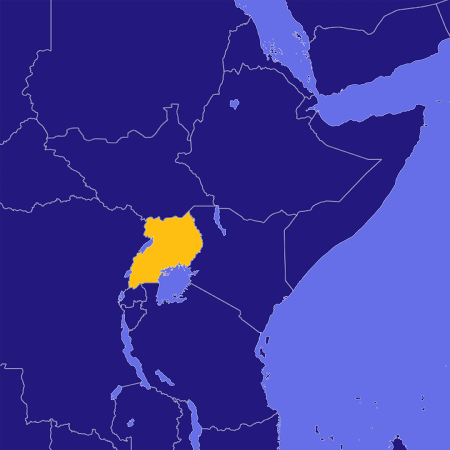
  • Africa: Uganda
Guttmacher Institute

Center facts. Shape policy.
Advance sexual and reproductive rights.®

Donate Now
Newsletter Signup  Contact Us 
  • Facebook
  • Instagram
  • Youtube
  • LinkedIn
  • Contact

Footer

  • Privacy Policy
  • Accessibility Statement
© 2026 Guttmacher Institute. The Guttmacher Institute is registered as a 501(c)(3) nonprofit organization under the tax identification number 13-2890727. Contributions are tax deductible to the fullest extent allowable.