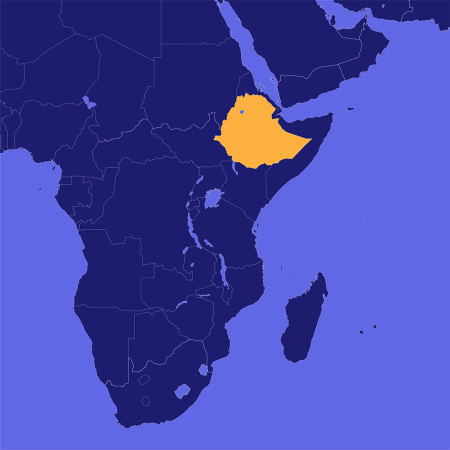
Low self-efficacy related to reproductive health care seeking is an area of concern that may lead women to access unsafe abortion in developing regions. There is limited data on self-efficacy on specific health care services, such as safe abortion, in Ethiopia. A cross-sectional study employing mixed methods was conducted from February to May 2024 among 815 systematically sampled and 14 purposely selected participants to assess the perceived self-efficacy on safe abortion among women of reproductive age in Wolaita zone. Logistic regression was computed to identify the associated factors, while the qualitative data were analyzed thematically to triangulate with quantitative findings. The results show that only one-third of participants had high self-efficacy on safe abortion. Being employed, receiving information from the media, believing abortion to be legal among unmarried women, knowing someone who has induced an abortion, and having favorable attitudes toward abortion were identified as associated self-efficacy factors. These findings enhance our understanding of activities to improve self-efficacy on abortion care and warrants further research to deepen an understanding of the socio-cultural determinants.
Interface of perceived self-efficacy on safe abortion and lived experiences among women of reproductive age in Wolaita Zone, Ethiopia: A community based cross-sectional study