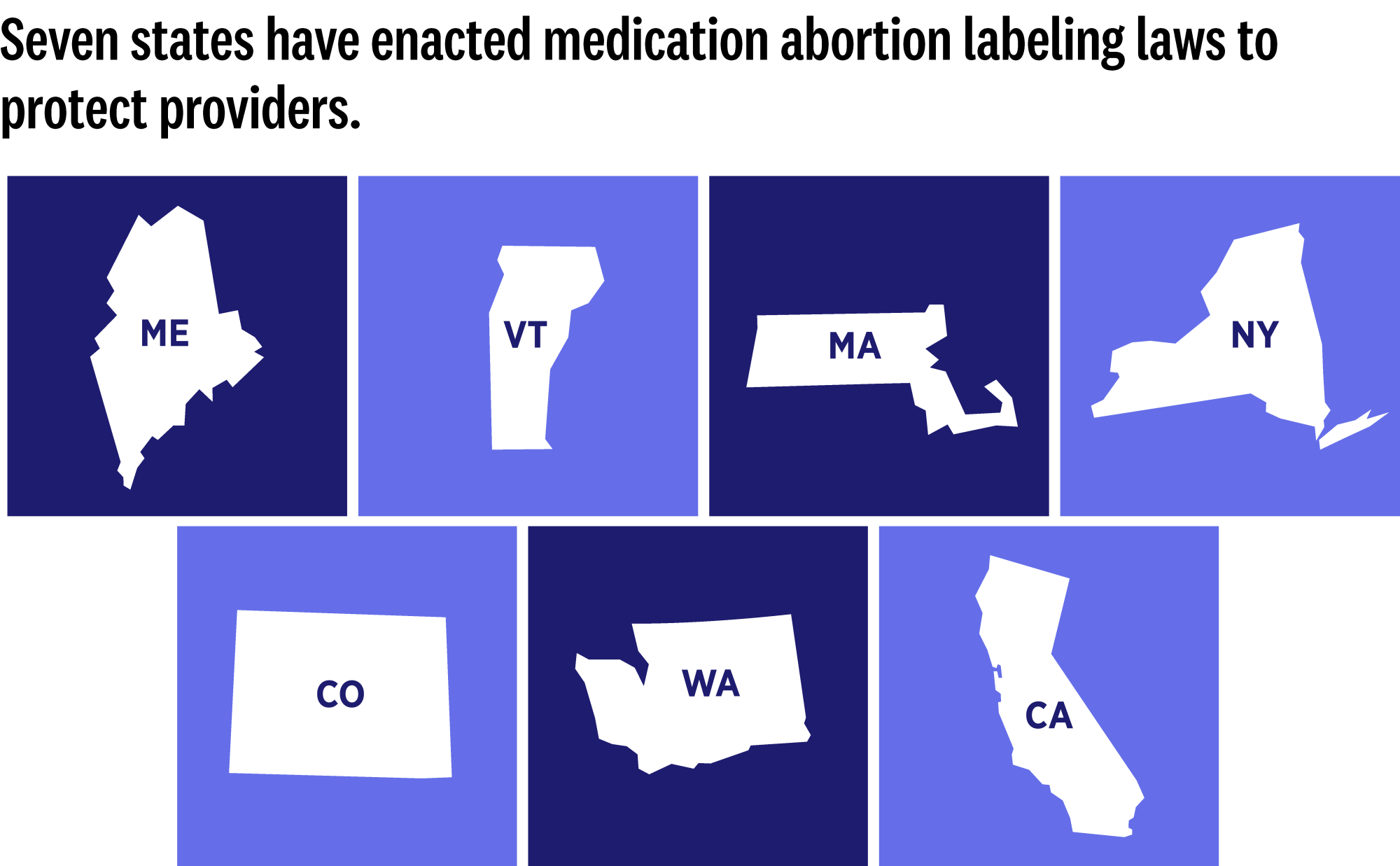
In 2025, state policies on sexual and reproductive health and rights (SRHR) shifted away from the prevailing trends of recent years. In 2023 and 2024, the first two years after the Dobbs v. Jackson Women’s Health Organization decision, restrictive state policies focused largely on limiting access to abortion through bans on care provision. While 2025 saw some states reaffirming abortion bans, pausing and resuming care provision, and redefining exceptions to abortion bans, much of the past year’s legislative activity moved beyond the prior pattern.
In particular, the focus of anti-SRHR policymakers shifted to cutting off the ways that people in states with total and gestational bans are still accessing care in spite of these restrictions. For example, the anti-SRHR movement has increased attacks specific to medication abortion access, telehealth provision under state shield laws, and the remaining avenues through which young people can access SRH information and care. They have also targeted the abortion funds, community networks and individuals who help patients access care, while ramping up funding for anti-abortion centers and “alternatives to abortion” programs.
These legislative shifts have also demonstrated a further push toward criminalization of SRH patients and providers. While such criminalization is not a new phenomenon, there has been a marked trend toward leveraging criminal penalties in anti-SRHR efforts to restrict access to care. At the same time, protective states have taken proactive steps both to push back against criminalization and to bolster protections for other forms of sexual and reproductive health care, such as contraception and fertility treatments.
While not covered in this analysis, federal changes to SRHR policy loom over these shifts in state policy. National and federal developments such as the relentless attacks on medication abortion using mifepristone, the “defunding” of Planned Parenthood and severe cuts to the Medicaid program are also reshaping care and access at the state level.
These escalating attacks on SRHR have only widened the gap between protective and restrictive states—putting them at odds with each other as protective states attempt to mitigate the harms of abortion bans and preserve access to care through shield laws and other strategies.